
Auckland Museum - Collections Online
Subject
| Predicate | Object |
|---|---|
| http://collections.aucklandmuseum.com/ontology/core/accessionDate | 05 Aug 1878 |
| http://collections.aucklandmuseum.com/ontology/core/accessionDateEarliest | 1878-08-05T00:00:00.000Z |
| http://collections.aucklandmuseum.com/ontology/core/accessionDateLatest | 1878-08-05T00:00:00.000Z |
| http://collections.aucklandmuseum.com/ontology/core/classification | http://api.aucklandmuseum.com/id/thesauri/classification/AAT.47090 |
| http://collections.aucklandmuseum.com/ontology/core/classification | http://api.aucklandmuseum.com/id/thesauri/classification/NM3.12210 |
| http://collections.aucklandmuseum.com/ontology/core/creditLine | gift of Mr Thomas Russell, Auckland, 1878 with base presented by John Logan Campbell, 1878, collection of Auckland War Memorial Museum, 1878 |
| http://collections.aucklandmuseum.com/ontology/core/dateCreated | 1998-08-19T00:00:00.000Z |
| http://collections.aucklandmuseum.com/ontology/core/itemCount | 1 |
| http://collections.aucklandmuseum.com/ontology/core/lastModifiedOn | 2025-12-21T22:11:32.146Z |
| http://collections.aucklandmuseum.com/ontology/core/nameTitle | http://api.aucklandmuseum.com/id/humanhistory/object/53811/title/1 |
| http://collections.aucklandmuseum.com/ontology/core/onDisplayFlag | Mackelvie and Asian Ceramics East & West |
| http://collections.aucklandmuseum.com/ontology/core/otherIdentifier | http://api.aucklandmuseum.com/id/humanhistory/object/53811/otherIdentifier/1 |
| http://collections.aucklandmuseum.com/ontology/core/otherTitle | http://api.aucklandmuseum.com/id/humanhistory/object/53811/otherTitle/1 |
| http://collections.aucklandmuseum.com/ontology/core/otherTitle | http://api.aucklandmuseum.com/id/humanhistory/object/53811/otherTitle/3 |
| http://collections.aucklandmuseum.com/ontology/core/otherTitle | http://api.aucklandmuseum.com/id/humanhistory/object/53811/otherTitle/2 |
| http://collections.aucklandmuseum.com/ontology/core/otherTitle | http://api.aucklandmuseum.com/id/humanhistory/object/53811/otherTitle/4 |
| http://collections.aucklandmuseum.com/ontology/core/primaryRepresentation | http://api.aucklandmuseum.com/id/media/v/19669 |
| http://collections.aucklandmuseum.com/ontology/core/record_score | 45 |
| http://collections.aucklandmuseum.com/ontology/core/researcherComments | The original of the Auckland Museum's cast, in marble, without fig leaf and with a new penis, is on the first floor of the Palazzo Nuovo, on the Capitoline Hill (or Campidoglio) in Rome. The P.Nuovo is full of fabulous stuff, and forms part of the Capitoline Museums, in turn part of the Museo Nazionale Romano which is scattered around Rome in various locations, under the general oversight of the Soprintendeza Archaeologica di Roma, who is responsible to the Italian Ministry of Culture. The statue is currently labelled as "Statue of the Dying Galatian" and is described as a 1st century BC Roman copy of one erected at Pergamum, celebrating the victory over the eastern population of the (Celtic) Galatians. My "World History of Art" (Honour & Fleming, Macmillan, 1982) notes that the original statue was erected at Pergamum (in Turkey) to commemorate a Greek victory in 230 BC over some invading "Gauls" (i.e. Celts) and that "the event was celebrated in a series of statues of dead or dying Gauls, now known only from later copies". This source says also that the Museo Capitolino statue is a "Roman copy of a bronze original of ca. 230-220 BC" and that the famous Altar of Zeus at Pergamum (now in Berlin) was erected 50 years after the battle, ca. 175 BC, as part of the same complex. My ancient "Oxford Companion to Classical Literature" uses ‘Gaul’ to refer only to French and northern Italian Celts. The Galatians were Celts who invaded Macedonia in 279 BC. Some of them moved eastwards into Greece and Asia Minor - hence the Pergamum connection. Although also known as Gauls, they were apparently distinct from the western Celtic tribes. Hence "Dying Galatian" is the more accurate term. The Palazzo Venezia, which I mentioned to you, is also part of the Museo Nazionale Romano. It is a lovely intact Renaissance palace used as a painting and decorative arts gallery - some good stuff, especially ceramics and 13th-16th century painting. Regards, John |
| http://erlangen-crm.org/current/P108i_was_produced_by | http://api.aucklandmuseum.com/id/humanhistory/object/53811/production |
| http://erlangen-crm.org/current/P138_has_representation | http://api.aucklandmuseum.com/id/media/v/19680 |
| http://erlangen-crm.org/current/P138_has_representation | http://api.aucklandmuseum.com/id/media/v/19683 |
| http://erlangen-crm.org/current/P138_has_representation | http://api.aucklandmuseum.com/id/media/v/19682 |
| http://erlangen-crm.org/current/P138_has_representation | http://api.aucklandmuseum.com/id/media/v/19681 |
| http://erlangen-crm.org/current/P138_has_representation | http://api.aucklandmuseum.com/id/media/v/19677 |
| http://erlangen-crm.org/current/P138_has_representation | http://api.aucklandmuseum.com/id/media/v/19676 |
| http://erlangen-crm.org/current/P138_has_representation | http://api.aucklandmuseum.com/id/media/v/19675 |
| http://erlangen-crm.org/current/P138_has_representation | http://api.aucklandmuseum.com/id/media/v/19674 |
| http://erlangen-crm.org/current/P138_has_representation | http://api.aucklandmuseum.com/id/media/v/19679 |
| http://erlangen-crm.org/current/P138_has_representation | http://api.aucklandmuseum.com/id/media/v/19678 |
| http://erlangen-crm.org/current/P138_has_representation | http://api.aucklandmuseum.com/id/media/v/19673 |
| http://erlangen-crm.org/current/P138_has_representation | http://api.aucklandmuseum.com/id/media/v/19672 |
| http://erlangen-crm.org/current/P138_has_representation | http://api.aucklandmuseum.com/id/media/v/19671 |
| http://erlangen-crm.org/current/P138_has_representation | http://api.aucklandmuseum.com/id/media/v/19670 |
| http://erlangen-crm.org/current/P138_has_representation | http://api.aucklandmuseum.com/id/media/v/19669 |
| http://erlangen-crm.org/current/P1_is_identified_by | http://api.aucklandmuseum.com/id/humanhistory/object/53811/identifier |
| http://erlangen-crm.org/current/P24i_changed_ownership_through | http://api.aucklandmuseum.com/id/humanhistory/object/53811/acquisition/1 |
| http://erlangen-crm.org/current/P24i_changed_ownership_through | http://api.aucklandmuseum.com/id/humanhistory/object/53811/acquisition/2 |
| http://erlangen-crm.org/current/P43_has_dimension | http://api.aucklandmuseum.com/id/humanhistory/object/53811/dimension/1 |
| http://erlangen-crm.org/current/P43_has_dimension | http://api.aucklandmuseum.com/id/humanhistory/object/53811/dimension/2 |
| http://erlangen-crm.org/current/P43_has_dimension | http://api.aucklandmuseum.com/id/humanhistory/object/53811/dimension/3 |
| http://erlangen-crm.org/current/P43_has_dimension | http://api.aucklandmuseum.com/id/humanhistory/object/53811/dimension/4 |
| http://erlangen-crm.org/current/P43_has_dimension | http://api.aucklandmuseum.com/id/humanhistory/object/53811/dimension/5 |
| http://erlangen-crm.org/current/P43_has_dimension | http://api.aucklandmuseum.com/id/humanhistory/object/53811/dimension/6 |
| http://erlangen-crm.org/current/P45_consists_of | http://api.aucklandmuseum.com/id/humanhistory/object/53811/material/2 |
| http://erlangen-crm.org/current/P45_consists_of | http://api.aucklandmuseum.com/id/humanhistory/object/53811/material/1 |
| http://erlangen-crm.org/current/P45_consists_of | http://api.aucklandmuseum.com/id/humanhistory/object/53811/material/4 |
| http://erlangen-crm.org/current/P45_consists_of | http://api.aucklandmuseum.com/id/humanhistory/object/53811/material/3 |
| http://erlangen-crm.org/current/P46i_forms_part_of | http://api.aucklandmuseum.com/id/humanhistory/object/53811/collection |
| http://erlangen-crm.org/current/P50_has_current_keeper | http://api.aucklandmuseum.com/id/humanhistory/object/53811/keeper |
| http://erlangen-crm.org/current/P51_has_current_owner | http://api.aucklandmuseum.com/id/humanhistory/object/53811/legalBody |
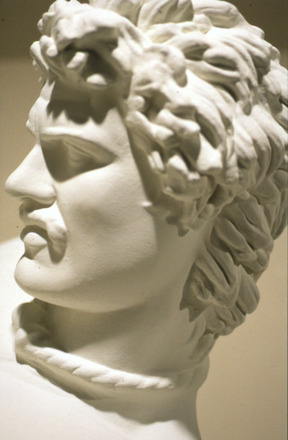
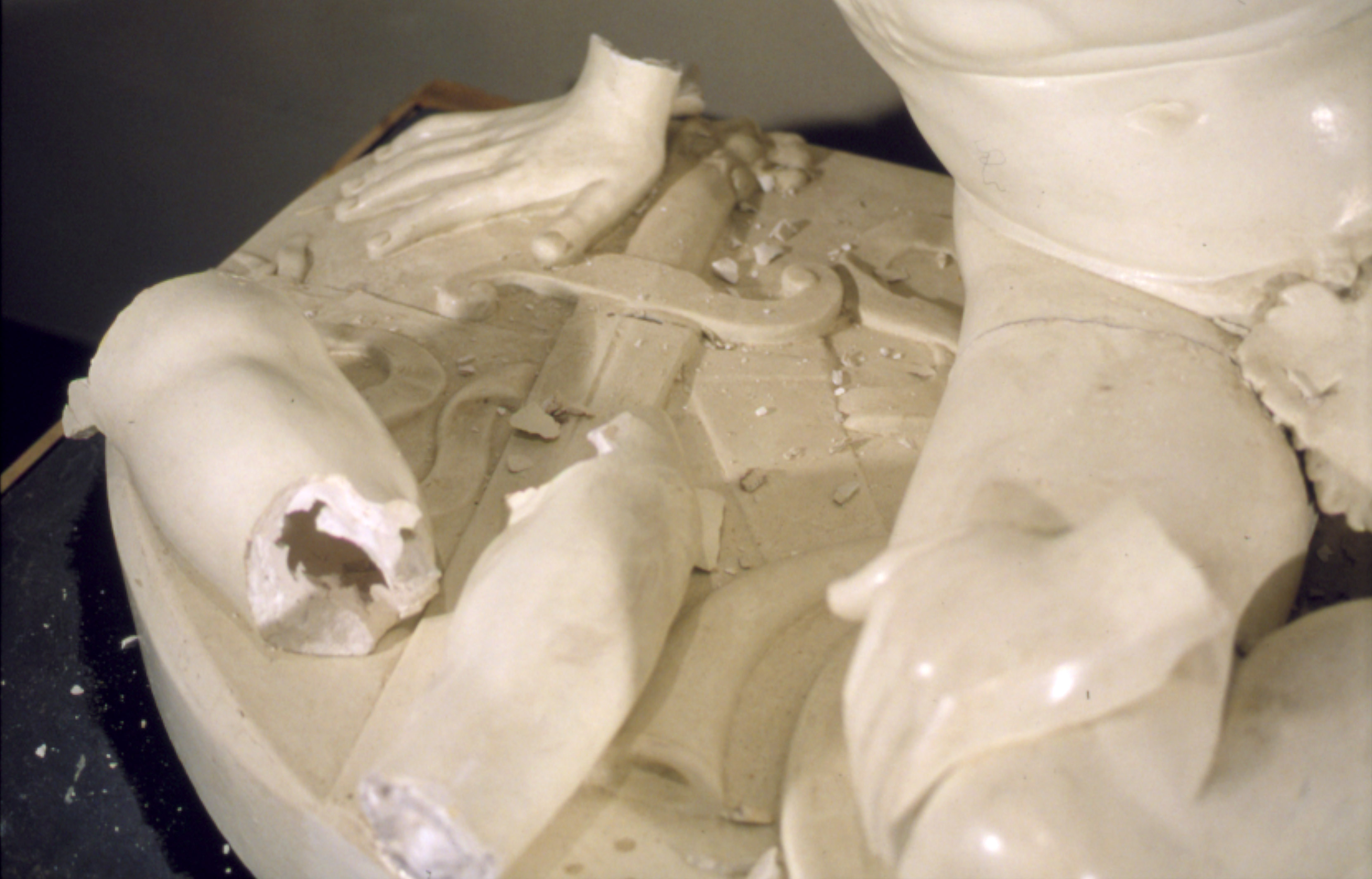
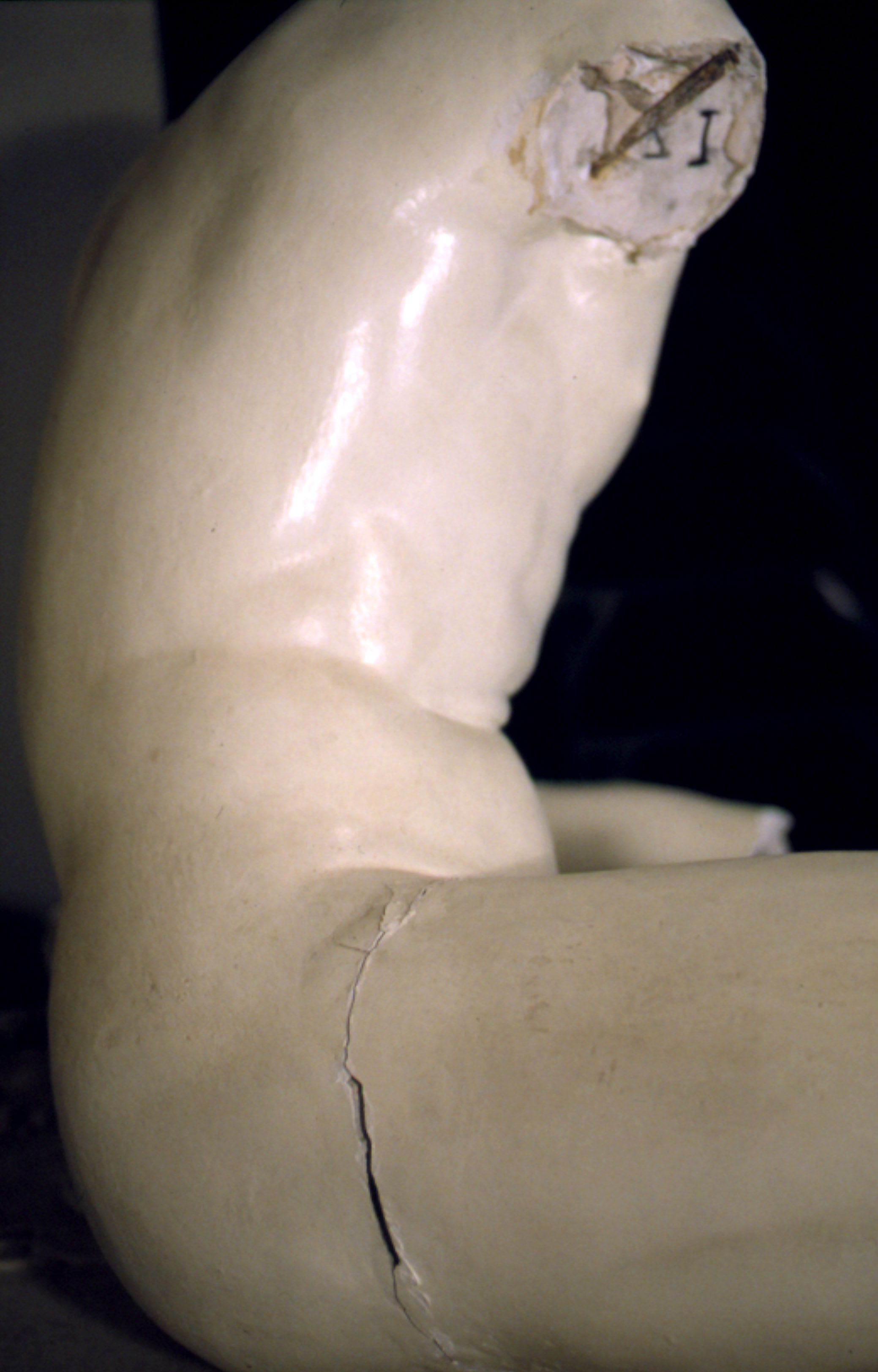
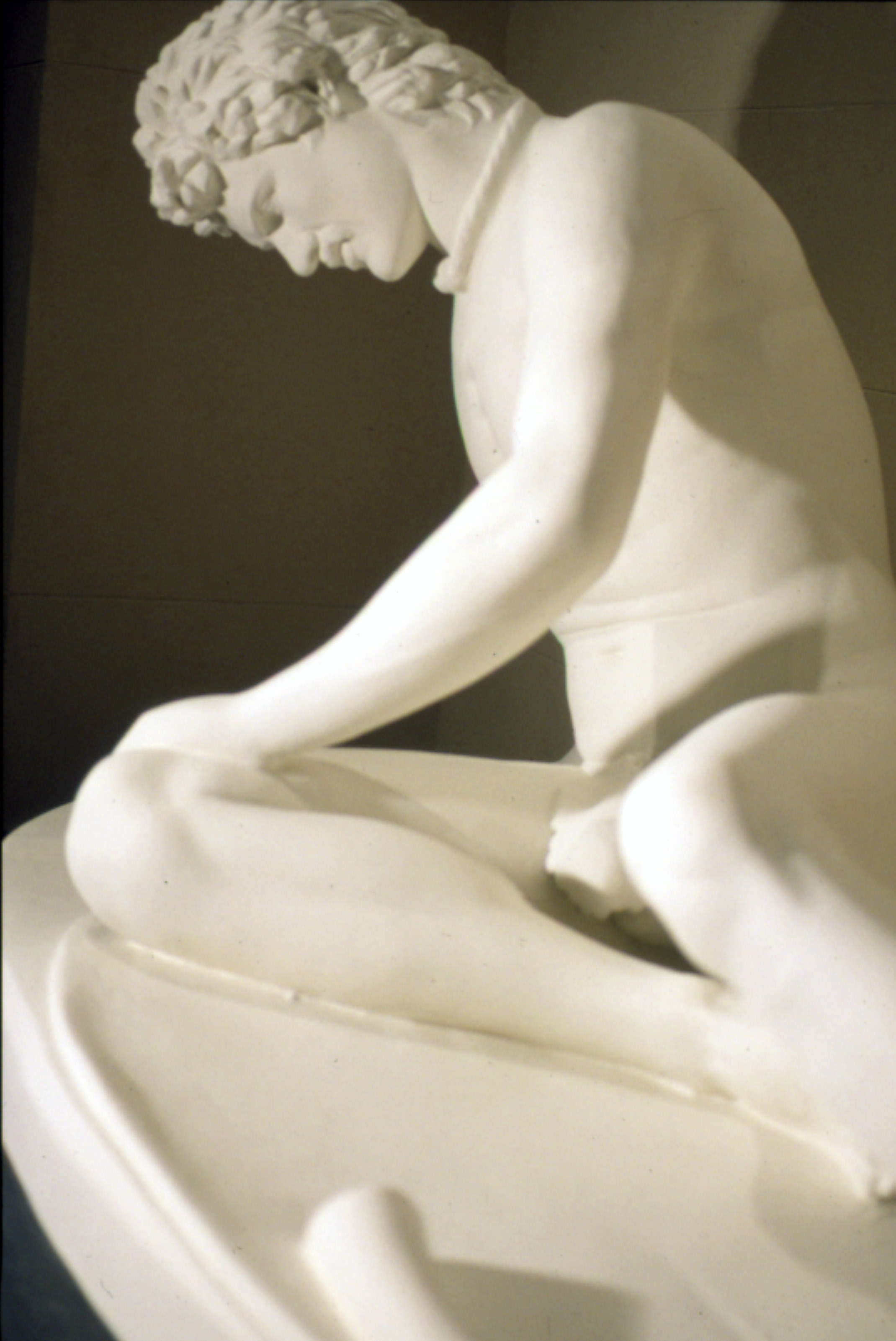
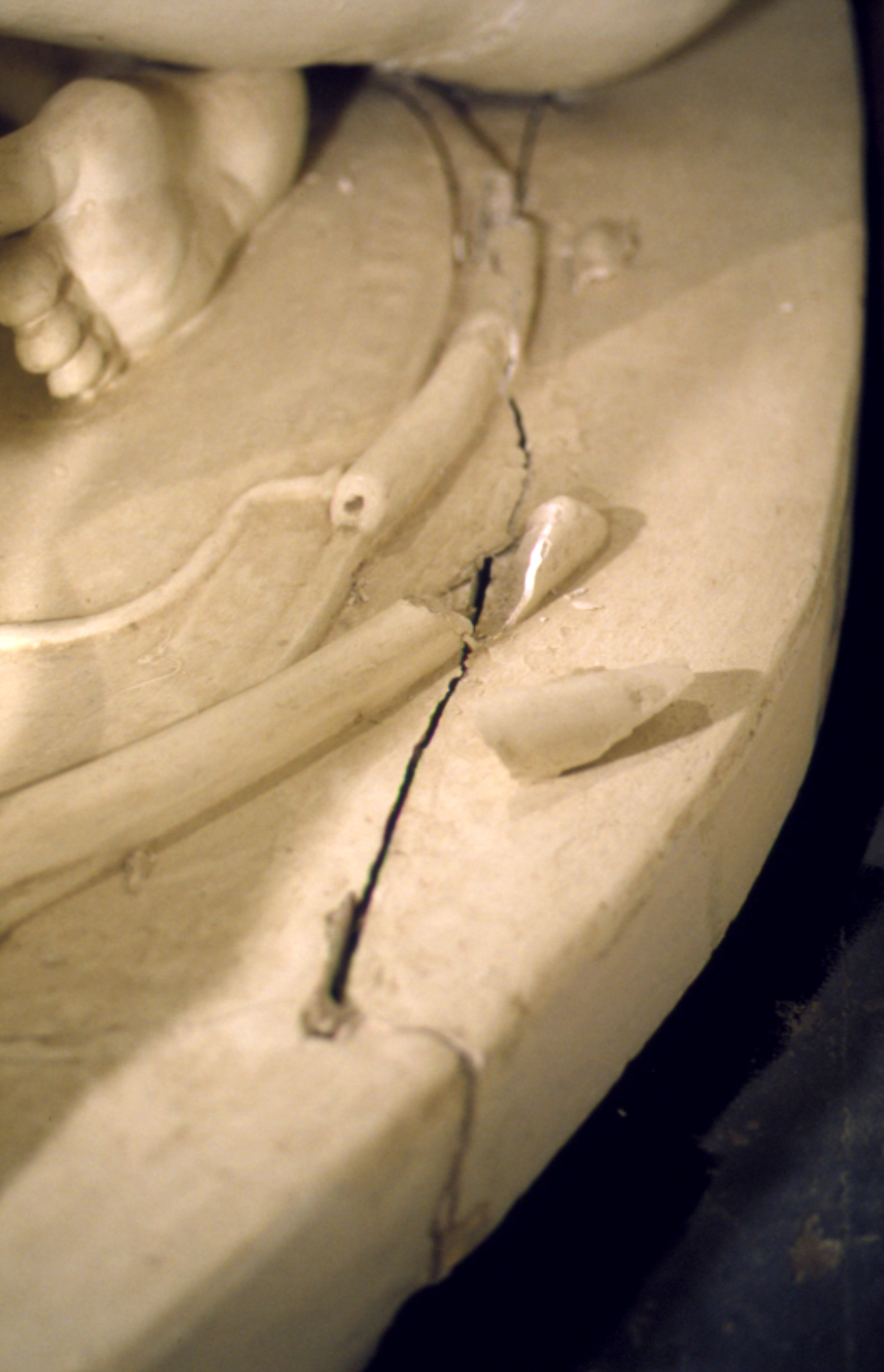
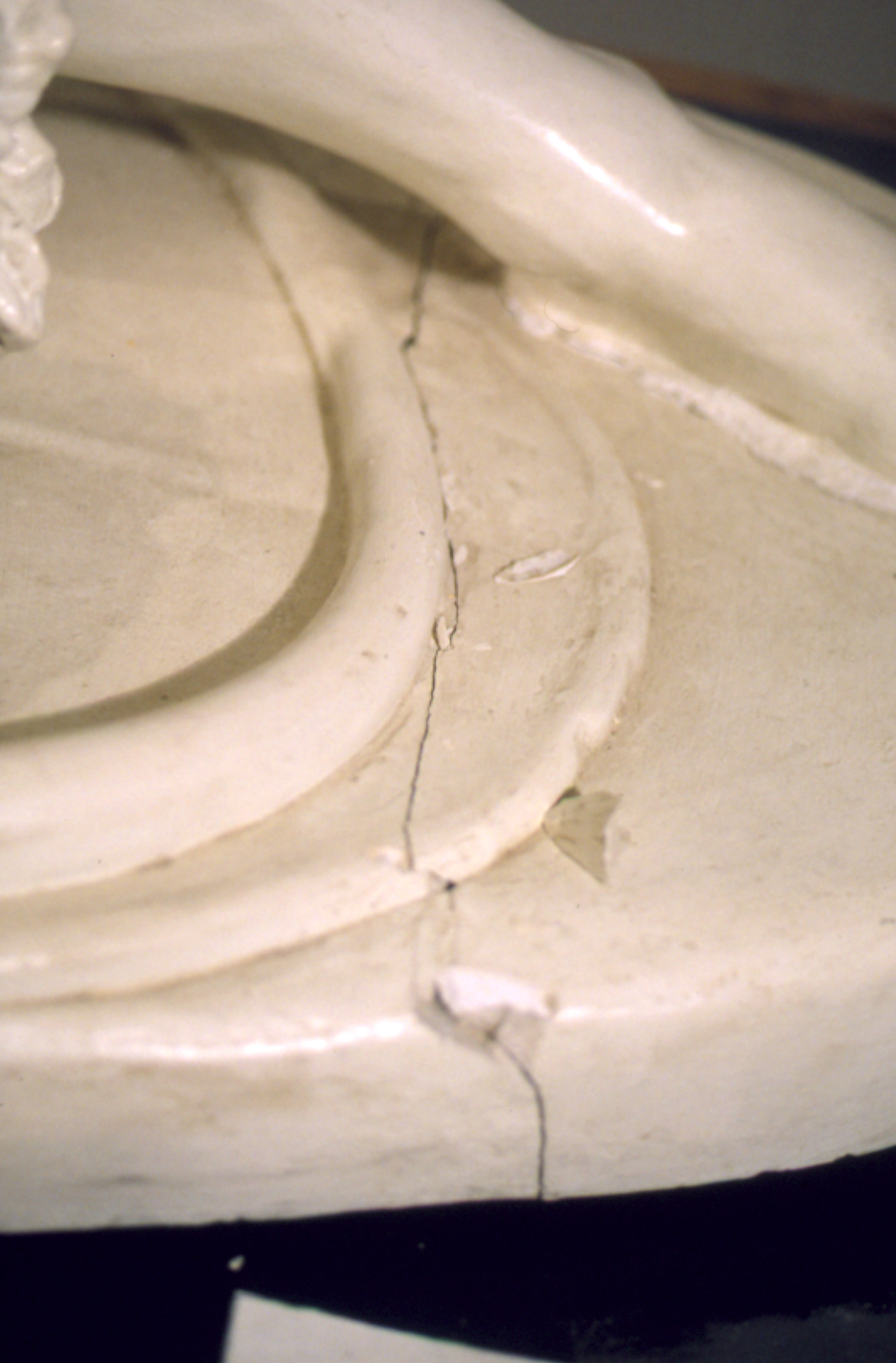
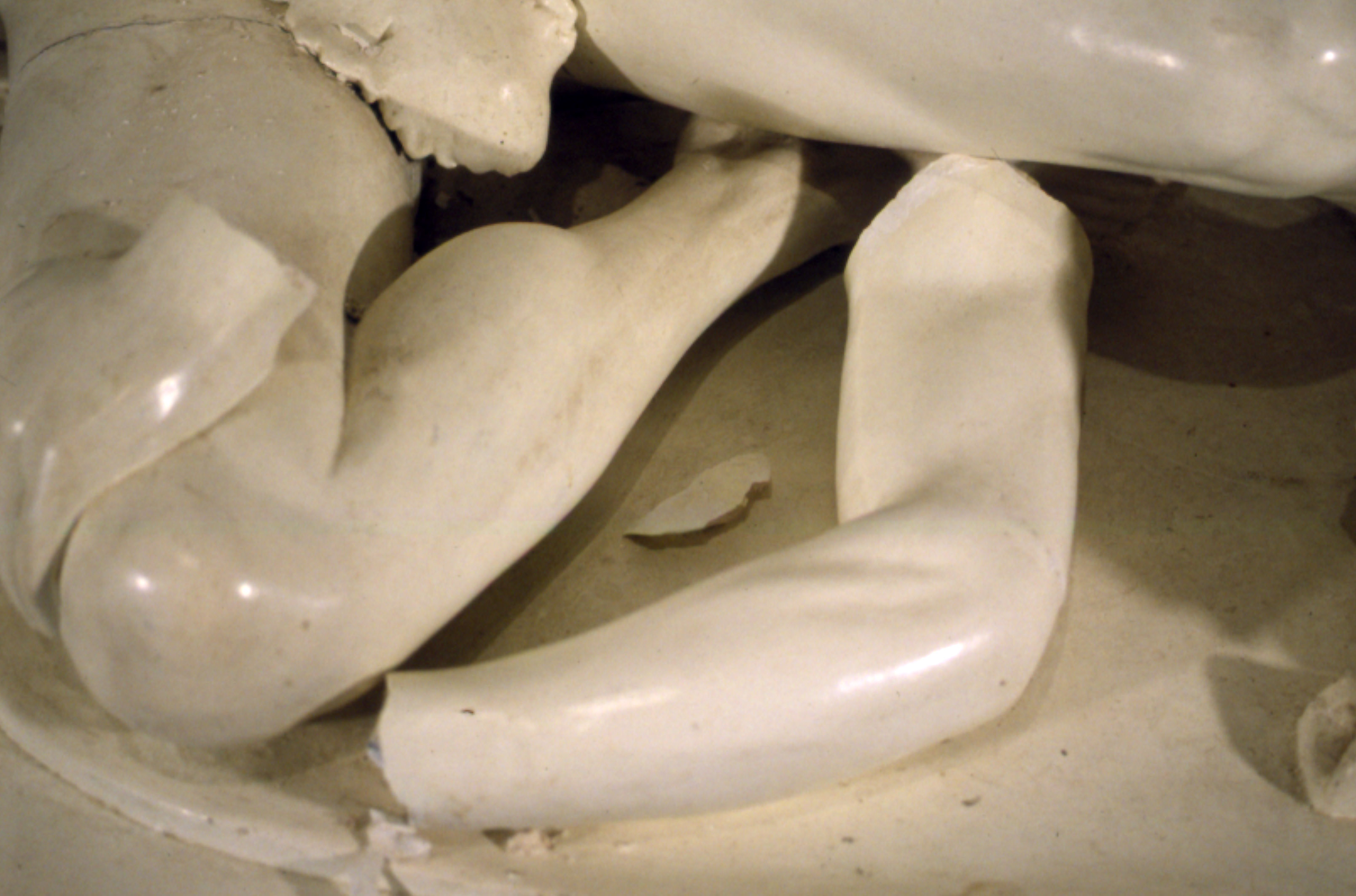
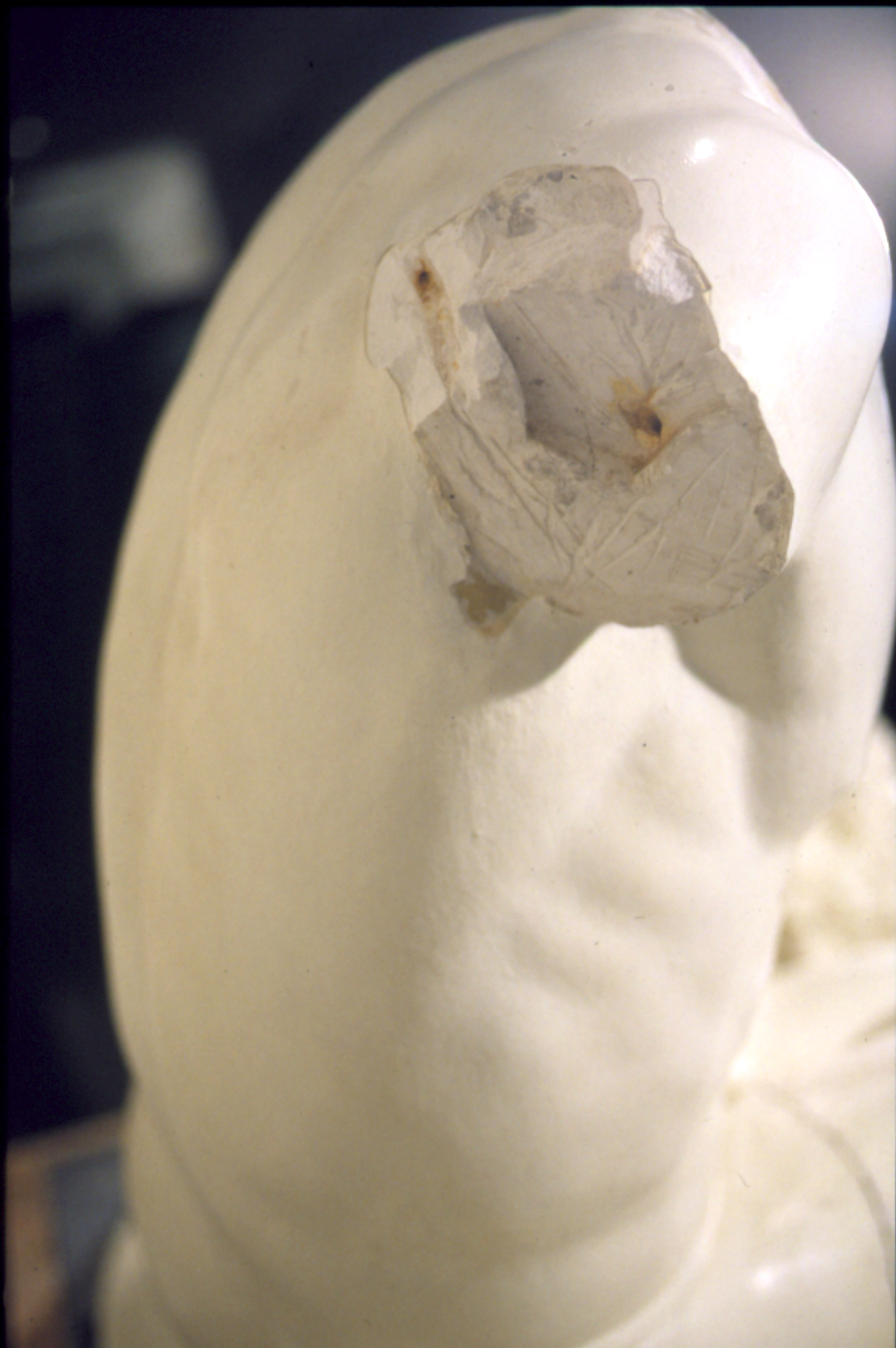
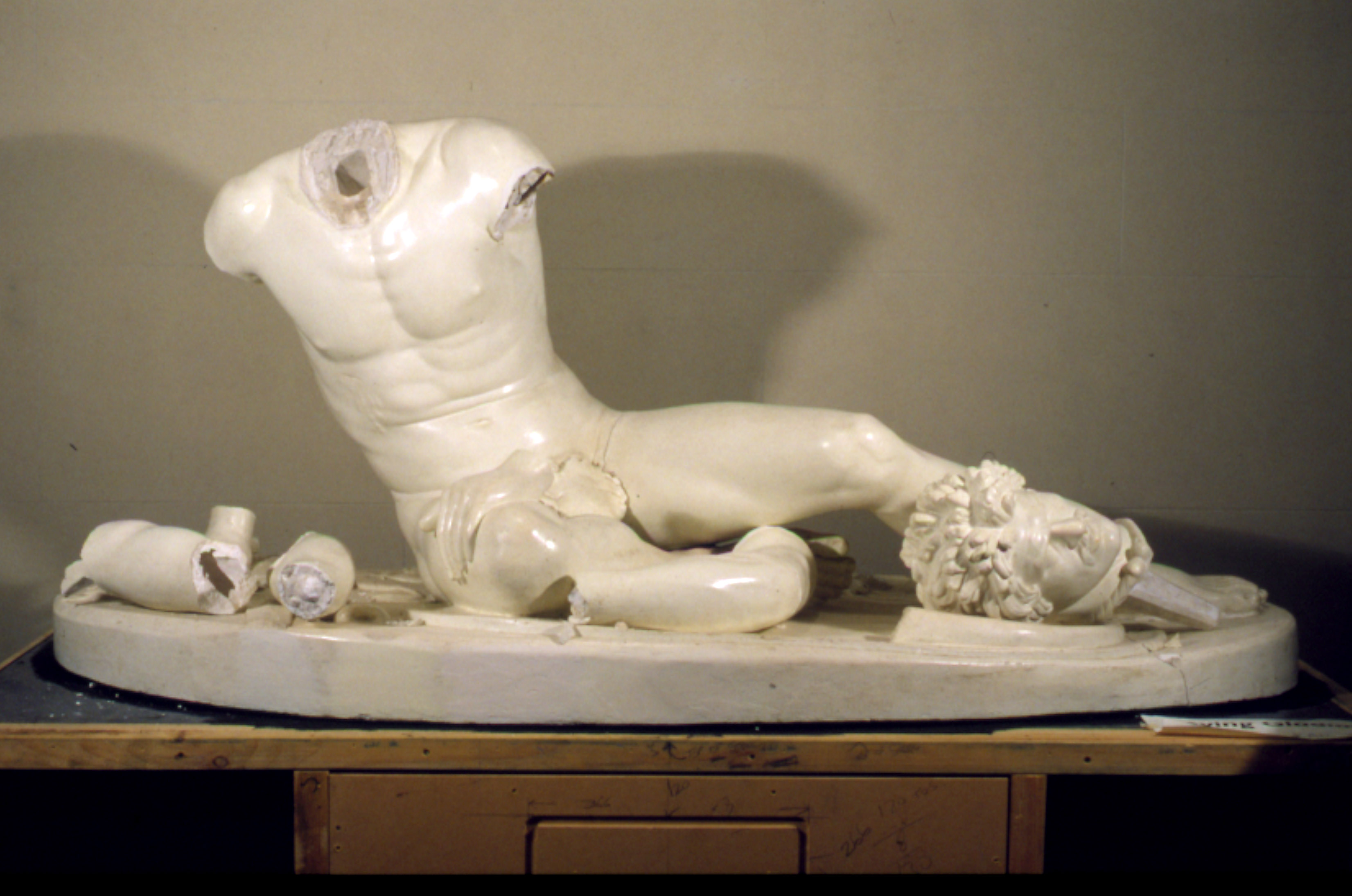
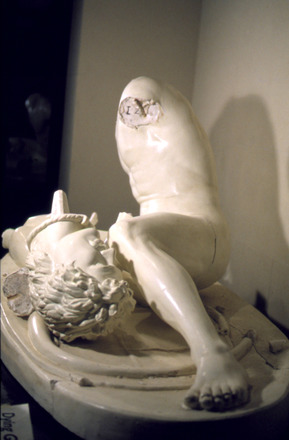
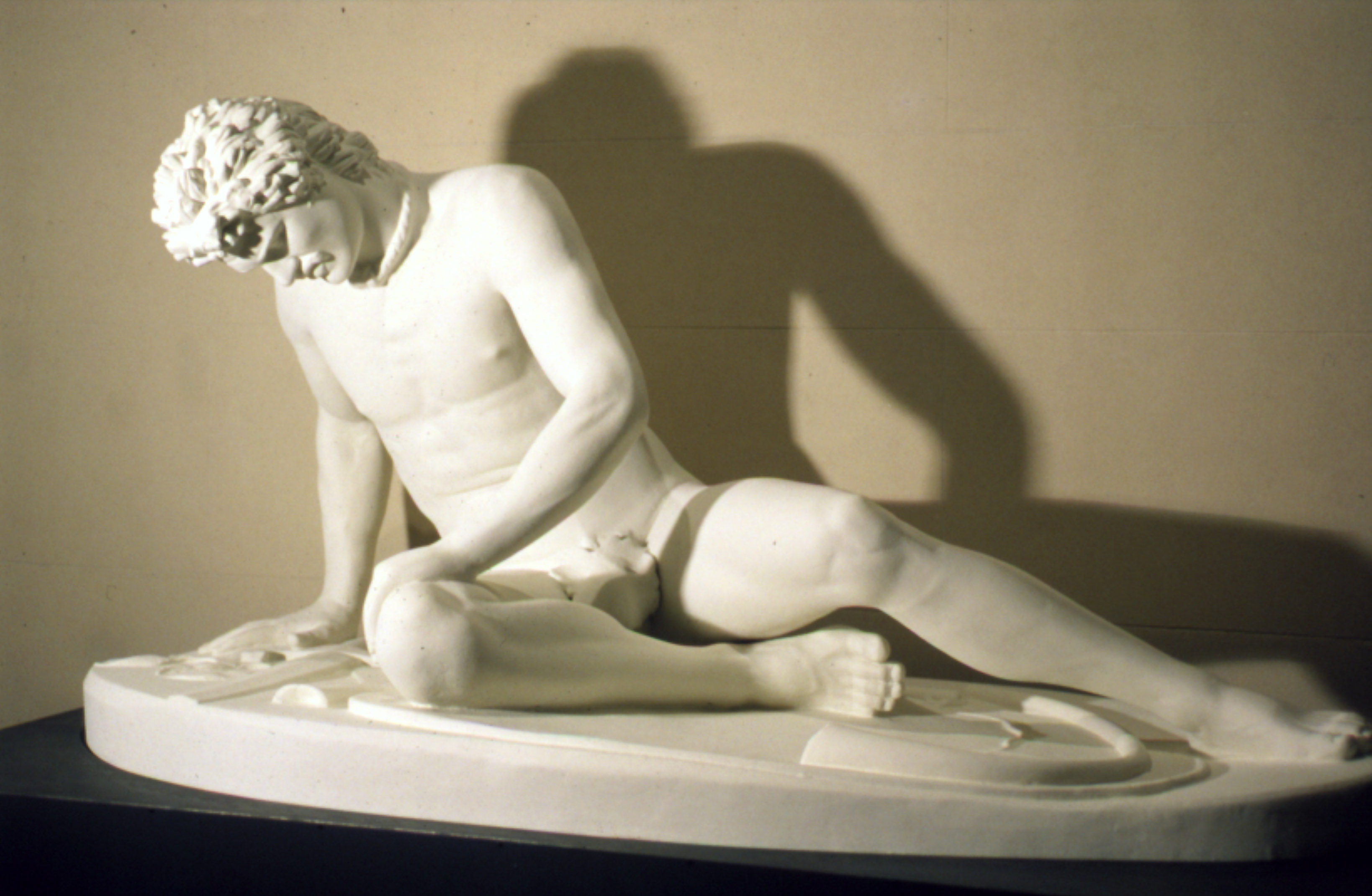
| http://purl.org/dc/elements/1.1/description | sculpture, plaster reproduction of classical (antique) Dying Galatian. In 1878, the Auckland Museum in Princes Street received a gift of 33 casts of antique statuary from a wealthy expatriate Aucklander, Thomas Russell. John Logan Campbell saw the opportunity to establish the first free school of art in Auckland to be located in the Museum. The statues were used as models for figure drawing. Other classical statues were subsequently donated. Hellenistic, ca. 240-200 B.C. Male nude: Dying Gaul Unattributed Bronze original at Pergamum is lost Marble copy: Capitoline Museum, Rome Height 0.93 m. Applied Arts Collection* Logan Campbell Gallery The Dying Gaul portrays a mortally wounded Gallic warrior fallen on his shield and is a frank depiction of the poignancy of defeat and death. The composition of the larger-than-life sculpture combines the simplicity and restraint of the earlier Classical style with the realism and emotional impact of Hellenistic sculpture. The marble statue of the Dying Gaul seen in the Capitoline Museum is identified as a copy of an earlier bronze sculpture commissioned by King Attalus 1 of Pergamum. Attalus defeated an army of invading Gauls, the Galatians, in 241 B.C. and to mark this victory he erected statues of dying or captive Gauls in Pergamum and Athens. The original sculpture of the Dying Gaul was erected at the sanctuary of Athena in the city Pergamum, as one of a circle of half-incumbent figures surrounding a central group featuring a despairing Gallic warrior and his dying wife.** The Dying Gaul is depicted in the prime of life. His body is muscular and he is naked except for a thick, twisted torque or collar around his neck. His tousled hair is cut short and he wears a moustache. A gaping wound is visible on his right side. A broken, curved trumpet lies beneath the Gaul's body. A baldric or sword belt, with a plain buckle, lies discarded together with a long-sword, under the Gaul's right hand. The sword blade is broken. The hilt is decorated with a scrolled crossguardand a pommel, or top-knob, in the shapeof an exotic animal head. The exhausted warrior is slowly falling into unconsciousness. His head is lowered and his face bears the grimace of deathas he struggles to support his upper body with his right arm. Bibliography and notes: Boardman, Greek Art, pgs. 226-241: Hellenistic sculpture. Boardman, Greek Sculpture, gives a full account of Hellenistic sculpture. Blackley, Greek Sculptures in the Auckland War Memorial Museum, gives a full account of the replica statues in Auckland Museum. (Blackley, R. 1988. The Greek Statues in the Museum. Art New Zealand 48: 96-99). And what’s more, we appear to hold this serial (Location: NZ Collection Serials; Call No. ND1106 ART), *The plaster replica was made in the cast workshop of Brucciani's Galleria delle Belle Arti in Russell St, Covent, Garden London. ** Marble copy in the Roman National Museum. Stewart, Greek Sculpture. Education Kit ‘Ancient Greek And Roman Collections (Years 11 to 13)’ Auckland Museum Te Papa Whakahiku © Auckland Museum 2002 Dying Gaul Hellenistic ca. 240-200 B.C. Male nude: the Dying Gaul Unattributed Bronze original at Pergamum is lost Plaster copy of a marble statue in the Capitoline Museum, Rome Height 0.93 m. Applied Arts Collection |
| http://purl.org/dc/elements/1.1/title | sculpture, plaster |
| http://www.w3.org/1999/02/22-rdf-syntax-ns#type | http://erlangen-crm.org/current/E22_Man-Made_Object |



- Set the
Acceptheader toapplication/ld+jsonto get JSON-LD for this subject - Set the
Acceptheader toapplication/jsonto get simple JSON representation for this subject